

Summarize with AI


Researchers from OpenAI, PerturbAI, and Scripps Research deployed thousands of AI agents powered by GPT-Rosalind to analyze how gene knockouts affect mouse brain cells in just 32 minutes. According to the research team, an equivalent manual analysis would take human scientists several months to a year.
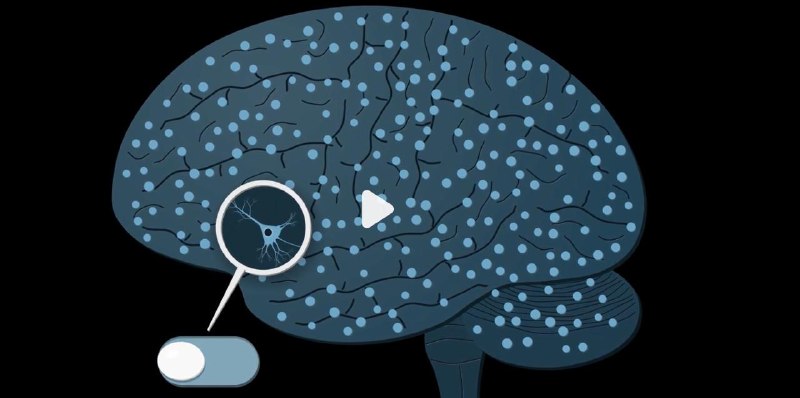
Each AI agent investigated an individual genetic alteration by analyzing cell responses, retrieving relevant scientific literature, and formulating hypotheses. The individual findings were then synthesized into a unified research atlas.
What it is
- Multi-agent biology. Thousands of coordinated AI agents ran in parallel on massive single-cell perturbation datasets.
- Specific discovery. The system identified a potential link between disruption in the DCTN1 gene and cholesterol metabolism inside neurons. Mutations in DCTN1 are associated with neurodegenerative diseases with symptoms similar to Parkinson's disease.
- Hypothesis generation. The findings provide concrete, testable biological hypotheses rather than raw numbers alone.
- Scale and depth. When given identical compute resources, the multi-agent collective referenced over 700 distinct scientific papers, compared to only 11 papers cited by a single agent baseline.
- Expert evaluation. In blinded evaluations, domain experts preferred the collective reports produced by the multi-agent system 75% of the time.
Research summary
| Metric | Single Agent | Multi-Agent Swarm (GPT-Rosalind) |
|---|---|---|
| Total analysis time | Hours to days | 32 minutes |
| Literature sources cited | 11 | 700+ |
| Expert preference | 25% | 75% |
| Target biological data | Mouse brain cells | Mouse brain cells |
Sources
Did this land? Leave a reaction.
Discussion
0 commentsMembers can join the discussion
Become a member to comment and reply to other members.
Become a MemberNo comments yet
Be the first to start the discussion.