


Summarize with AI


Biodiversity researchers surveying subtropical primary forests in China's Ailao Mountains deployed the DEEP Robotics Lynx M20S quadruped robot dog to carry scientific gear and navigate hazardous terrain. The robotic expedition scouted dangerous ravines and captured optical data on rare parasitic flora and forest gibbons.
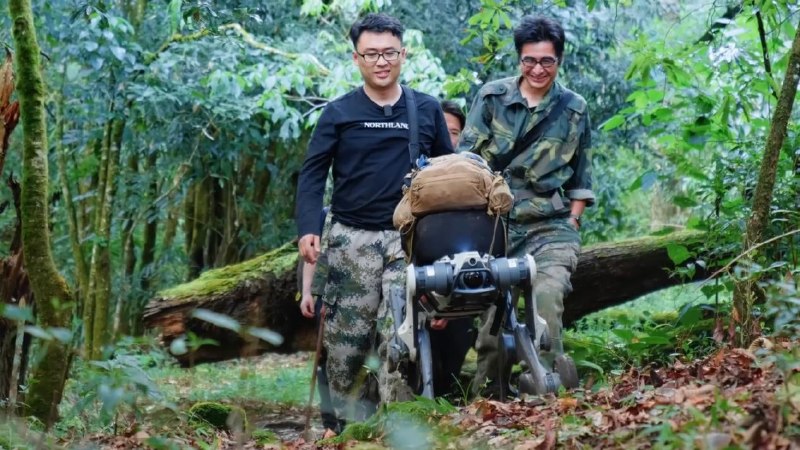
The Ailao Mountain range is known for dense fog, steep karst topography, and sudden weather changes. The Lynx M20S carried up to 100 kilograms of payload including imaging equipment and environmental sensors. Battery life ranged between 2.5 and 3.5 hours per charge, requiring field scientists to carry swappable battery packs.
What it is
- Field robotics in extreme terrain. The Lynx M20S quadruped carried scientific instruments across steep, unstable slopes in the Ailao Mountains.
- Scientific discovery. The unit recorded high-resolution visual evidence of elusive forest gibbons and rare parasitic flora in hard-to-reach microclimates.
- Heavy payload capacity. The robot carried approximately 100 kilograms of supplies and field gear for the human research team.
- Operational endurance. The internal power cell supports 2.5 to 3.5 hours of continuous operation before battery replacement.
Expedition specifications
| Metric | DEEP Robotics Lynx M20S Specification |
|---|---|
| Operating environment | Ailao Mountains subtropical primary forest |
| Maximum payload capacity | ~100 kg |
| Battery run time | 2.5 to 3.5 hours per charge |
| Primary mission roles | Route scouting, equipment transport, wildlife imaging |
Sources
Did this land? Leave a reaction.
Discussion
0 commentsMembers can join the discussion
Become a member to comment and reply to other members.
Become a MemberNo comments yet
Be the first to start the discussion.